
Why most modern brands are so frigging boring
The end of relatability and what comes next

When you have kids, you become keenly attuned to macro changes in culture.
This is because, of course, you were a kid.
You remember how things were back then. And so it’s easy for you to compare them to how things are today.
Well in this piece I want to talk to you about one of these cultural changes that I’ve noticed - a change that reaches far beyond the world of kids, and actually touches every single one of us. It’s a change that’s so deep, that it’s written into modern assumptions about business too, and what “good strategy” looks like.
And I think it’s a change that needs questioning.
Because you see, when an assumption becomes so dominant people don’t even realise it’s an assumption anymore - that’s when it’s ripe for challenge.
And what I hope to show you here is that this one is so pervasive, that many people have lost sight of the alternative. Which means that the alternative, I believe, is going to be the most powerful play for the next generation of companies, personal brands, and media properties.
A big claim!
So let’s see if I can back it up.
I. The scourge of “relatability”
Now I myself am a father of a 5 year old and a 2 year old, with another one on the way (yikes). So naturally I’m in a great position to notice many of these cultural shifts. But there’s one that has really been bugging me, and I haven’t quite managed to wrap my head around it until now:
Why are all modern children’s books, TV shows, and movies about children?!
When I was a lad, the majority of kids’ shows I watched were about adults. It’s not hard to remember them:
Thundercats.
He-Man.
Ghostbusters.
Teenage Mutant Ninja Turtles.
(OK they were teenagers, but still adults so far as I was concerned)
But now, I can barely think of one show my kids like to watch where the protagonists are over 10 years old.
Peppa Pig.
Pip & Posy.
Bluey.
Paw Patrol.
(I notice as I write this how often they are also animals, which is a whole other story)
The oldest heroes I can think of are probably those in Spirit, who I guess are meant to be around 13 or 14, and are still very clearly divided from the adult characters in the show.
Added to this, most shows also tend to be grounded in the “real world”, rather than fantasy scenarios. They feature kids (or their animal equivalents) doing stuff that real kids do, like going to the supermarket, or playing games, or going on vacation, that kind of thing.
Now of course we had this kind of stuff when I was growing up too, it’s not new. It’s just that now I struggle to think of any examples of the opposite. Aspirational, adult, fantasy stories have been almost completely expunged from the landscape.
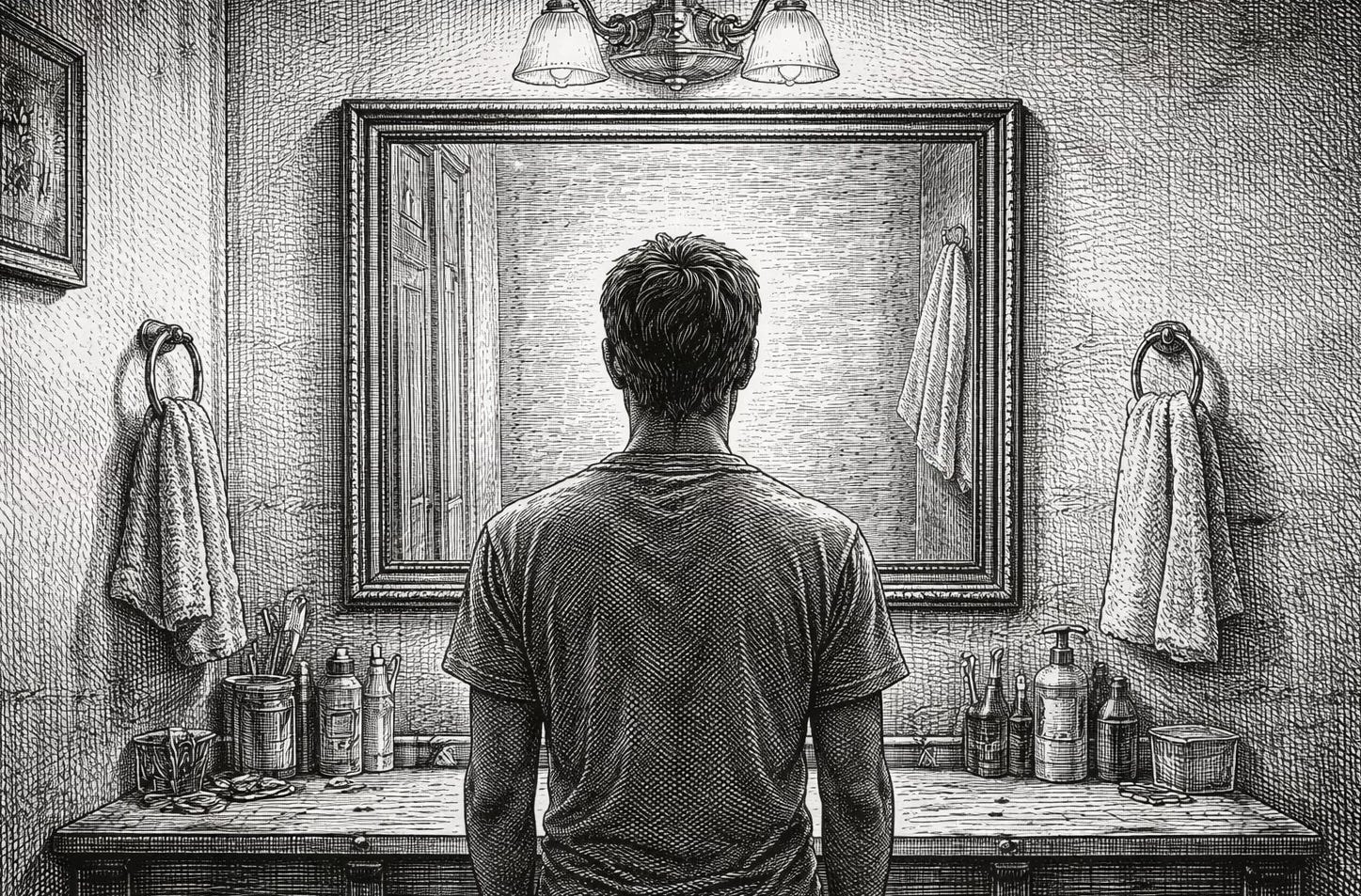
This image pretty much sums up what I’m talking about:
Keep reading with a 7-day free trial
Subscribe to The Rare Mind to keep reading this post and get 7 days of free access to the full post archives.